
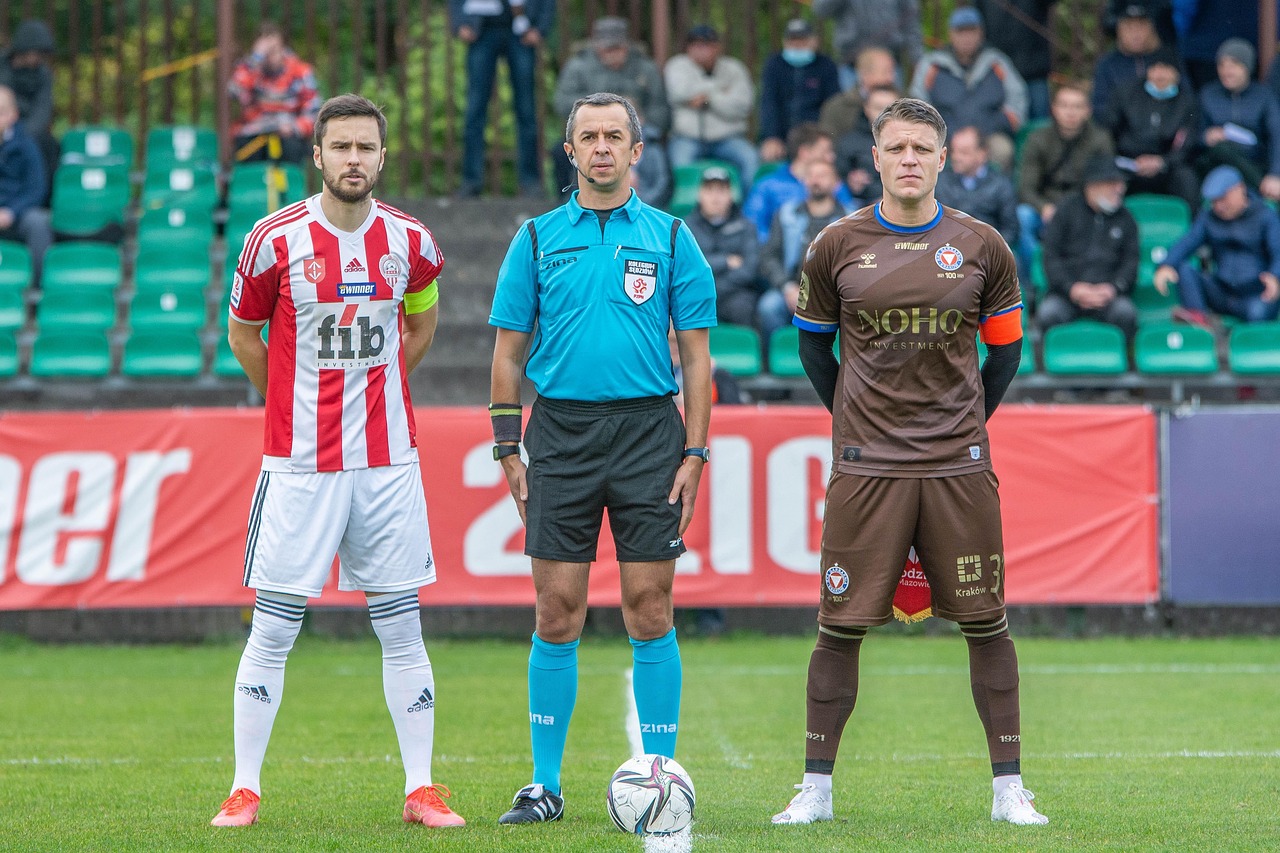
5 Tactical Tweaks That Changed the Season
Small adjustments often lead to big outcomes. That’s what stood out to me this season more than anything. While blockbuster transfers and star performances usually grab the headlines, it’s often the behind-the-scenes strategy changes that truly shape the direction of a club’s campaign. Throughout the year, I watched teams turn their form around, not because of individual brilliance alone, but because of smart, subtle shifts in how they approached the game.
In this piece, I want to break down five tactical tweaks that changed the season. These weren’t overhauls or complete rebuilds, just focused, intentional decisions made by coaches that had ripple effects across entire squads. Sometimes, it’s a minor formation shift. Other times, it’s a change in who presses, who holds, or who gets license to roam. But the impact? Season-defining.
1. Moving the Fullbacks Infield
One of the most fascinating tweaks this season came from a manager who completely reimagined the role of his fullbacks. Instead of pushing wide and overlapping, the fullbacks began drifting infield into central midfield areas during possession.
This small change created several immediate advantages. First, it gave the team numerical superiority in midfield, allowing for smoother build-up play and easier retention of the ball under pressure. Second, it freed up the wingers to stay high and wide, stretching the opponent’s defense horizontally.
Watching this unfold week after week, I could see how it gave the team better control in tight spaces. Defenders didn’t know whether to follow the fullbacks inward, creating gaps out wide, or stay in position and risk overloads in midfield.
It’s a trend that’s growing in modern football, popularized by elite managers who value central dominance. But in this particular case, it was one of the tactical tweaks that changed the season for a mid-table side punching above its weight.
2. Switching to a Box Midfield
Another tweak that paid off massively involved the deployment of a box midfield. Instead of lining up with a traditional three-man setup, the coach moved one of the wide players inward and staggered the midfield into a box shape, two holding midfielders at the base and two attacking midfielders just ahead.
This tweak created vertical and horizontal connections that were previously missing. It allowed for shorter passing triangles, increased pressing from midfield, and more protection in transition. I noticed how the team began dominating games against stronger opposition simply because they could control the central spaces better.
But the genius of this tweak wasn’t just the shape, it was the players chosen to fill those roles. The coach trusted a versatile winger to operate in a more narrow role and gave a deep-lying playmaker the freedom to join the attack. It brought out new layers in each player’s game.
For me, this was one of the most intelligent tactical tweaks that changed the season. It didn’t require new signings or expensive reinforcements, just a new way of organizing what was already available.
3. The Shift to a Back Three
While many teams continued with the traditional four-man defense, one bold manager made the decision to shift to a back three midway through the campaign. It wasn’t without risk, such a formation can expose wide areas if not executed properly, but in this case, it transformed the team’s fortunes.
With three center-backs, the team gained defensive solidity. The wingbacks were encouraged to push high, providing width in attack without compromising defensive structure. But what stood out to me most was how this tweak changed the behavior of the midfielders.
Now, with the security of three defenders behind them, the midfielders had more freedom to press aggressively, win second balls, and take risks going forward. The striker, too, benefited from greater support and overlapping runs from deeper players.
It was one of those tactical tweaks that changed the season not just for the defense, but for the entire system. The team that once looked timid suddenly played with confidence, structure, and purpose.
4. Assigning a Free Role to the Number 10
Modern football often prioritizes rigid systems and structure. So when a coach gives a player a free role, it’s a sign of trust, and sometimes a masterstroke. That’s exactly what happened with one team’s attacking midfielder this season.
Previously shackled by positional responsibilities, the playmaker was unleashed. He was no longer expected to press high or maintain a fixed position. Instead, he was given permission to drift between the lines, find pockets of space, and dictate tempo.
From what I observed, this tweak not only liberated the player, but it transformed the attack. The striker received more through balls. The wingers had someone who could play them in behind. Even the defensive midfielders had more outlets for short passes when building play.
But it wasn’t just about letting the number 10 roam. The rest of the team adjusted their positions and responsibilities to accommodate this freedom. It was a coordinated gamble that paid off handsomely, and easily qualifies as one of the tactical tweaks that changed the season.
5. High Press with a Twist
High pressing isn’t new, but one manager redefined how it was executed by assigning pressing responsibilities based on player zones rather than positions. Instead of the striker leading the press on the center-backs, the press was triggered when the ball entered specific zones on the pitch, regardless of who had it.
This nuanced change led to better timing, fewer gaps, and more recoveries in the opponent’s half. The press became more intelligent, not just more intense.
What really caught my attention was how this strategy empowered midfielders and even defenders to step up aggressively when the ball was in their zone. That level of coordination required rigorous training and trust, but it completely disrupted opponents who thought they knew what to expect.
The team that implemented this system had a mixed start to the season. But once the new pressing scheme took hold, results improved dramatically. That’s why it stands out as one of the most effective tactical tweaks that changed the season.
The Ripple Effect of Tactical Adjustments
Each of these tweaks may seem minor in isolation, but their collective impact was undeniable. What I found most fascinating wasn’t just how the tactics worked, but how the players responded. When a manager commits to a new idea and communicates it clearly, the entire squad often rises to the occasion.
In many cases, these tactical tweaks led to improved individual performances. Players began to thrive in roles better suited to their strengths. Confidence grew. The team identity solidified.
What makes these tweaks even more impressive is that they weren’t reactionary. They weren’t desperate gambles in the face of poor form. They were calculated decisions made after careful analysis, and that’s why they had staying power.
Why Tactical Tweaks Matter More Than Ever
Modern football is faster, smarter, and more fluid than ever. The margins are slim, and opponents are better prepared than in years past. That’s why small tweaks can have such a profound effect.
I’ve seen teams go from relegation candidates to mid-table mainstays, and from top-four hopefuls to serious title contenders, all on the back of a few well-executed adjustments. The game isn’t just played on the pitch anymore. It’s played in the film room, on the training ground, and inside the mind of the manager.
These tactical tweaks that changed the season are a reminder that brilliance doesn’t always come in grand gestures. Sometimes, it’s the minor shifts, the subtle evolutions, that make all the difference.
Tactical Tweaks in the Context of Player Development
What also struck me is how these adjustments helped young players break through. When formations and roles shift, it creates openings. A young winger might become a wingback. A box-to-box midfielder might learn to operate as a false 9. With the right system in place, players discover new facets of their game.
Watching these developments unfold has reinforced my belief that tactics and player development go hand in hand. It’s not enough to sign talent, you need to use talent in the right way. These tweaks allowed managers to do just that.
Some of the season’s breakout stars owe their emergence to these smart tactical decisions. And as fans, we get to enjoy not just results, but the evolution of the game itself.
Conclusion: The Power of Subtlety
Each season, I’m reminded that football is a game of inches, not just physically, but strategically. These five tactical tweaks that changed the season show us that success doesn’t always come from massive overhauls. Sometimes, it’s a fullback moving ten yards inside. Sometimes, it’s a midfielder pushing higher. And sometimes, it’s a simple shift in how a team presses.
But what ties all these examples together is intent. These tweaks weren’t accidental. They were deliberate, backed by observation, training, and trust.
That’s what makes them powerful, and what makes this season one of the most tactically rich I’ve ever followed. If you’re a coach, a fan, or even a player, take note: sometimes, the smallest change can make the biggest impact.


