
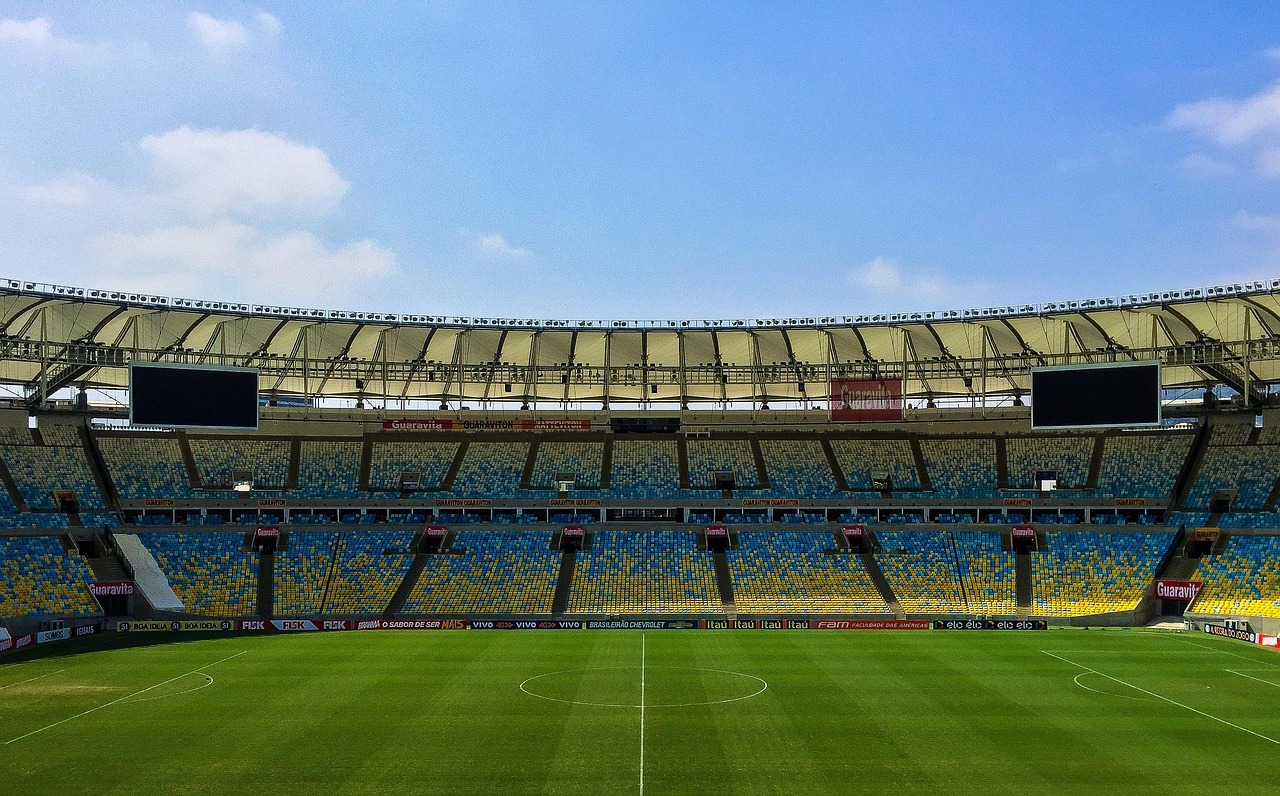
Inside the Tactics of a Derby Day
There’s nothing quite like a derby day in football. Whether it’s Manchester United vs Manchester City, Inter vs AC Milan, Boca Juniors vs River Plate, or Al Ahly vs Zamalek, these are more than just fixtures. They are fierce battles defined by history, politics, local pride, and generations of deep-rooted animosity. But beyond the noise, flares, and chants, derby day tactics have a pulse of their own. Managers plan differently, players behave differently, and teams often set aside traditional patterns in favor of high-intensity football.
This article takes you deep into the tactical heartbeat of a derby. From the adjustments in formations to the psychological chess games, here’s how the strategy on a derby day departs from the norm and why it so often results in football that’s wildly unpredictable yet fascinating.
The Psychology Behind the Tactics
In a regular matchweek, a coach might focus purely on technical mismatches and execution. On a derby day, however, emotion cannot be separated from tactics. Managers have to strike a delicate balance, feeding their players enough fire to bring intensity, while maintaining tactical discipline. It’s a razor’s edge.
Coaches often prioritize early dominance to control emotion. A high press in the opening 10 minutes is common in derbies, not just to unsettle the opponent, but also to ride the wave of the crowd’s energy. Even possession-based teams might become more direct, especially in front of their home fans. Emotional momentum becomes a weapon, and when it swings, it can affect every player’s decision-making.
Adjustments in Formations
On paper, a team might line up in their usual 4-3-3 or 4-2-3-1. But derby day often brings subtle yet critical changes. Defensive midfielders play deeper. Fullbacks are less adventurous. Wide forwards track back with more urgency. Essentially, shape becomes more compact, reducing space for rival playmakers to thrive.
Managers may also tweak to accommodate pressing traps, particularly in midfield, where most derbies are won or lost. For example, in matches like the North London Derby, we’ve seen Arsenal’s midfield rotate to a triangle to outnumber Tottenham’s double pivot. These tweaks allow teams to deny space while inviting risky passes, looking to counter.
Tactical Conservatism Versus Bravery
There are generally two schools of thought in managing a derby: hold shape and be cautious, or come out flying and impose your style. The conservative approach has been used to great effect by managers like Diego Simeone, who thrives on soaking pressure and hitting on the counter. In contrast, the likes of Jürgen Klopp and Pep Guardiola often press high and aim to dominate possession from the first whistle.
Which approach is better? It depends on the squad and the occasion. A team with injuries or low morale might benefit from a cautious approach to avoid collapse. But sometimes, going aggressive from the outset disrupts the opposition and pays off. Derby tactics, in this sense, are a gamble. If you press high and get caught, you concede space. If you sit back and lose the crowd, you invite pressure.
The Role of the Midfield Battle
Midfield is the soul of a derby. Coaches know this, and tactics reflect it. Expect to see more aggressive man-marking, hard tackles, and transitions played faster than usual. Players like Rodri, Declan Rice, or Nicolò Barella become central to how well their team controls the chaos.
Managers often deploy one player whose only job is to disrupt rhythm, essentially a ‘destroyer’ in the middle. Think of Gennaro Gattuso in his Milan days. While not always pretty to watch, this tactic can neutralize even the best playmakers on the other side.
Sometimes the midfield battle isn’t just about stopping the opponent, it’s about controlling tempo. Derby games can be frantic. The team that manages to slow the tempo at will usually has a significant advantage.
Pressing: High Risk, High Reward
Pressing is a double-edged sword in derby matches. The intensity can lead to game-changing turnovers, but the emotional urgency can also cause players to press out of sync. The result? Gaps open up, and quality teams can exploit them instantly.
Coaches train their players to press as a unit, but derby day adrenaline often leads to over-committing. Smart managers recognize this and instruct their team to absorb pressure, particularly in the opening exchanges. Once the press fizzles, they switch into gear and start building from the back or through vertical transitions.
Wide Play and Fullbacks’ Dilemma
Fullbacks often find themselves in one of the most demanding roles on derby day. They must balance their attacking instincts with defensive responsibilities, more so than usual. Managers are usually reluctant to let both fullbacks bomb forward, fearing vulnerability on the counter.
Some sides use inverted fullbacks to bolster midfield. Others keep one wide and aggressive, while the opposite fullback stays home. This asymmetry allows flexibility while minimizing risk. On derby day, you’re more likely to see hybrid fullback roles than in any other fixture.
Wing play, too, becomes more direct. Wingers are given more freedom to isolate and take on defenders. It’s one area where individual brilliance can override structure. Think of players like Vinícius Jr. or Bukayo Saka, who can turn a tight game with a moment of flair down the flank.
Set Pieces as Strategic Leverage
Set pieces take on added importance in derbies. They provide controlled chaos, and with tension sky-high, marking often slips. Managers may prepare multiple variations, short corners, decoy runners, near-post flicks, all designed to capitalize on lapses in focus.
It’s not unusual to see set-piece specialists starting games they otherwise wouldn’t. If you have a delivery like James Ward-Prowse or a dominant header like Rúben Dias, it can turn a match.
Set pieces also give teams breathing room. In a fixture dominated by pressing and tension, a well-earned free-kick is a moment to reset. It’s tactical oxygen.
The Impact of Substitutions
More than most matches, derby substitutions are about energy and emotional timing. Managers time their changes not just by fatigue but by feeling. A substitute can be used to change the mood in the stadium. It might be a youngster to spark urgency or a veteran to calm nerves.
Tactically, managers often react quickly in derbies, abandoning systems that aren’t working after just 30 minutes. It’s about feel, not rigidity. The usual hesitance to sub before halftime doesn’t apply here.
Substitutes also tend to play simpler roles. A defensive midfielder might come on just to close passing lanes. A striker might be told to focus solely on occupying the center-backs. Roles are more specific, the time to settle is shorter, and tactical impact must be immediate.
When Game Plans Collapse
Despite all the preparation, sometimes derby day tactics collapse under pressure. A red card, an early goal, or a contentious VAR decision can throw months of planning out the window. That’s the beauty of the derby, it resists predictability.
Great managers prepare for chaos. They drill their team not just in Plan A and B but in emotional composure. Who takes control when things unravel? Who rallies the players? Often, these intangibles decide the outcome more than any chalkboard strategy.
Conclusion: A Different Kind of Football
Derby day tactics aren’t about perfection. They’re about harnessing chaos, managing energy, and executing plans under the fiercest spotlight. It’s chess with pressure, football with fire. Every tackle matters more, every run carries weight, and every instruction from the sideline is amplified by the roar of rivalry.
As fans, we crave the passion. But understanding the tactical depth behind that passion adds a new layer of appreciation. When you next watch a derby unfold, look beyond the heat. Watch how the lines compress, how players time their press, how fullbacks hesitate, and how managers read the storm. That’s where the real battle is fought.


